





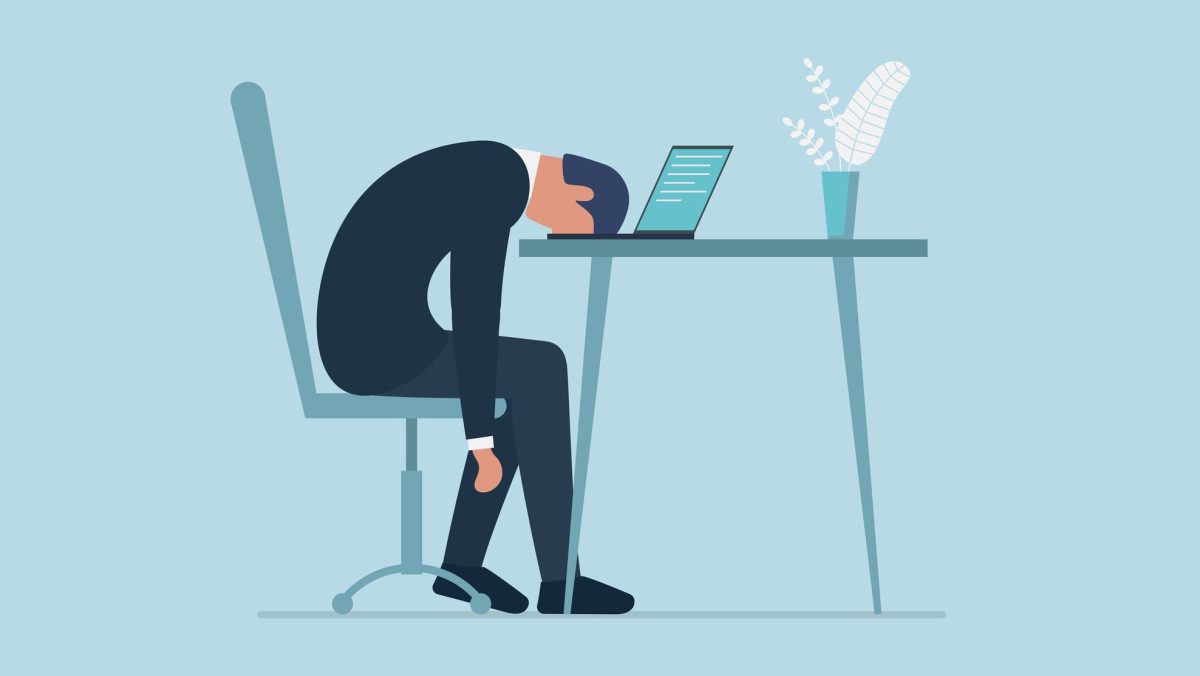
**The Rise of Burnout in an Era of Artificial Intelligence**
As artificial intelligence (AI) continues to revolutionize the workplace, it’s no surprise that employees are feeling the effects of this technological advancement. While AI has made many tasks more efficient and streamlined, it has also led to an increase in work hours and a blurring of the boundaries between work and personal time. In this blog post, we’ll explore the first signs of burnout in an era of artificial intelligence and discuss strategies for managing it.
**The Rise of Burnout: A byproduct of AI**
With the advent of AI, employees have access to a wealth of information at their fingertips, allowing them to complete tasks more efficiently than ever before. However, this increased productivity has also led to an increase in work hours and stress levels. As employees become more efficient at their jobs, they feel pressure to keep up with the demands of their workload. This can lead to burnout, a state of emotional, physical, and mental exhaustion caused by prolonged stress.
**The Signs of Burnout: Why They Matter**
Recognizing the signs of burnout is crucial for preventing it from taking hold in the workplace. Some of the most common signs include feeling overwhelmed, experiencing physical symptoms such as headaches or stomachaches, and feeling emotionally drained. When left unchecked, burnout can have a significant impact on an individual’s health and well-being. In fact, it has been linked to an increased risk of depression, anxiety, and even heart disease.
**How to Manage Burnout: Strategies for Success**
The first step in managing burnout is recognizing the signs early on. Once you’ve identified that you’re feeling burnt out, take a step back and evaluate your workload. Are there any tasks that can be delegated or eliminated? Do you need to set boundaries between work and personal time?
Another important strategy for preventing burnout is self-care. This means taking the time to prioritize your physical and emotional well-being. Make sure to get enough sleep, eat a healthy diet, and engage in regular exercise. Additionally, practicing mindfulness or meditation can help reduce stress levels and promote relaxation.
**Conclusion: The Importance of Balancing Work and Wellness**
As AI continues to reshape the workplace, it’s important for individuals and organizations alike to prioritize wellness and balance. By recognizing the signs of burnout and implementing strategies for managing it, we can ensure that technology enhances our lives without sacrificing our health and well-being. So take a step back, breathe, and remember: your mental and physical health is just as important as your work.
Inspired by: Source