





China China Relations: A Call for Global Stability Amidst Turmoil
china china relations have long been a source of intrigue and concern for the international community. As one of the world’s most populous and economically powerful nations, China’s actions often set the tone for global stability. In recent years, however, Beijing has faced mounting pressure to address its own internal and external challenges, leaving many wondering whether it can still be counted on as a reliable partner in maintaining global harmony.
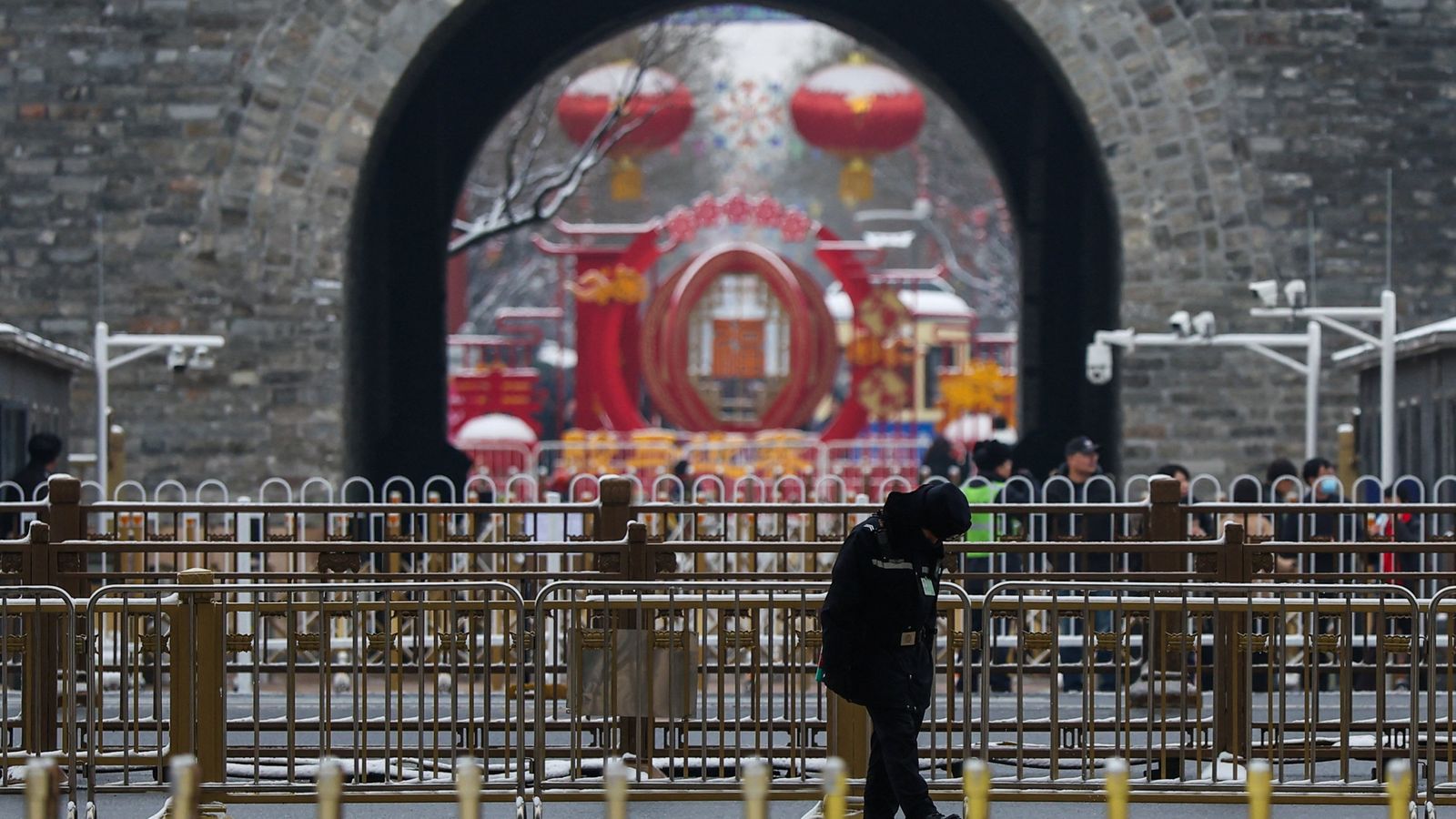
This morning, in the midst of a bitterly cold winter in Beijing’s Tiananmen Square, Chinese officials gathered for an annual meeting with foreign dignitaries. The occasion was seen by many as an opportunity for China to reaffirm its commitment to global stability and cooperation. In his opening remarks, President Xi Jinping emphasized the importance of unity among nations in the face of rising global tensions.
“We must work together to build a world where everyone can enjoy peace, prosperity, and development,” President Xi said, according to official translations. “This is not only a moral imperative but also a strategic necessity for any nation that hopes to thrive in an increasingly interconnected world.”
China’s Domestic Challenges
Despite its impressive economic growth and increasing global influence, China still faces significant domestic challenges that threaten its ability to project stability abroad. One of the most pressing issues is the country’s struggling economy, which has been experiencing slow growth in recent years.
Experts point to a number of factors contributing to this slowdown, including rising debt levels, a depreciating currency, and a shrinking workforce. “China’s economic woes are having far-reaching implications for its ability to invest in foreign development projects and provide aid to other countries,” said Dr. Susan Lawrence, an economist at the Brookings Institution.
Another major challenge facing China is its rapidly aging population. With over 400 million people aged 60 or older, China faces significant social security pressures that could have far-reaching consequences for its economy and politics.
Global Governance and China’s Role
China’s role in global governance has also come under scrutiny in recent years. The country’s growing influence has led some to question whether it is willing and able to take on a leadership role in addressing global challenges such as climate change, pandemics, and economic inequality.
Critics argue that China’s authoritarian model of governance, which emphasizes state control over the economy and society, makes it difficult for the country to adapt to changing global circumstances. “China’s reluctance to reform its economic system and introduce greater transparency and accountability undermines its ability to play a constructive role in international affairs,” said Dr. Li Mingjun, a researcher at the University of Oxford.
China China Relations: Building Bridges or Blinders?
Despite these challenges, many experts believe that China remains committed to building bridges with other countries rather than creating barriers. The country’s Belt and Road Initiative (BRI), launched in 2013, is a prime example of this approach.
The BRI is a massive infrastructure development project aimed at connecting China with other parts of Asia, Europe, and Africa through a network of roads, railways, and sea routes. While critics have raised concerns about the environmental and social costs of the initiative, many see it as a positive step towards building greater regional cooperation and reducing tensions between nations.
In conclusion, china china relations remain a complex and multifaceted issue that requires careful attention from policymakers and scholars alike. As China continues to navigate its domestic challenges and global responsibilities, one thing is clear: the country’s ability to maintain stability and promote prosperity will have far-reaching implications for the world at large.
One of the key challenges facing China in its efforts to build bridges with other countries is the need to address its own human rights record. The country has faced widespread criticism over its treatment of ethnic minorities, dissidents, and religious groups, which has led many to question whether Beijing’s claims of promoting global stability can be trusted.
In recent years, China has made efforts to engage with other countries on a range of issues, including climate change, poverty reduction, and disaster relief. However, these efforts have often been met with skepticism by Western governments and human rights groups, who point out that Beijing’s own authoritarian practices undermine its ability to promote greater freedom and cooperation around the world.
Another area where China is seeking to build bridges is in its relations with neighboring countries. The country has invested heavily in infrastructure development projects in countries such as Pakistan, Indonesia, and Malaysia, which have helped to improve living standards and reduce poverty in these regions.
However, some critics argue that China’s growing influence in the region is also having negative consequences, including increased competition for resources, territorial disputes, and concerns about Beijing’s intentions in areas such as Taiwan and the South China Sea.
Related: Learn more about this topic.
China’s Role in Global Governance
Critics of China’s role in global governance point to its reluctance to play a leadership role on key issues such as climate change and pandemics. While Beijing has made efforts to promote its own vision for a “new international order,” many see this as an attempt to expand Chinese influence at the expense of other nations.
Furthermore, China’s growing economic influence has led some to question whether it is willing and able to take on a leadership role in addressing global challenges such as poverty reduction, human rights, and democracy promotion. “China’s rise is not just about its own interests, but also about the interests of other countries,” said Dr. Robert Manning, a senior fellow at the Carnegie Endowment for International Peace.
The Future of China-China Relations
In conclusion, the future of china china relations will depend on China’s ability to address its domestic challenges and global responsibilities in a way that promotes greater stability and cooperation around the world. While Beijing faces significant challenges ahead, many experts believe that the country still has much to offer as a partner in promoting global harmony.
As China continues to navigate its complex relationships with other countries, it will be important for policymakers and scholars to prioritize dialogue, cooperation, and mutual understanding. By working together to address common challenges and promote shared values, we can build bridges between nations and create a more stable and prosperous world for all.
In the words of President Xi Jinping, “We must work together to build a world where everyone can enjoy peace, prosperity, and development.” As China continues on its journey towards greater global influence, it is up to us to ensure that this vision becomes a reality.
Ultimately, the success of china china relations will depend on China’s ability to balance its own interests with its responsibilities as a global leader. By prioritizing cooperation, dialogue, and mutual understanding, we can create a brighter future for all nations and promote greater stability and prosperity around the world.
In this context, it is clear that the China-China relations are not just about the economic or strategic interests of one country, but also about promoting global stability and cooperation. As such, they require careful attention from policymakers, scholars, and civil society alike.