



Iran Gulf Tensions Reach Crisis Point Understanding iran gulf tensions is essential.
Iran Gulf tensions have reached a crisis point, with the region teetering on the brink of chaos as the conflict between Iran and its Gulf neighbors escalates. The situation has been exacerbated by recent strikes on oil tankers and military installations in the region, which have sparked widespread concern among global leaders.
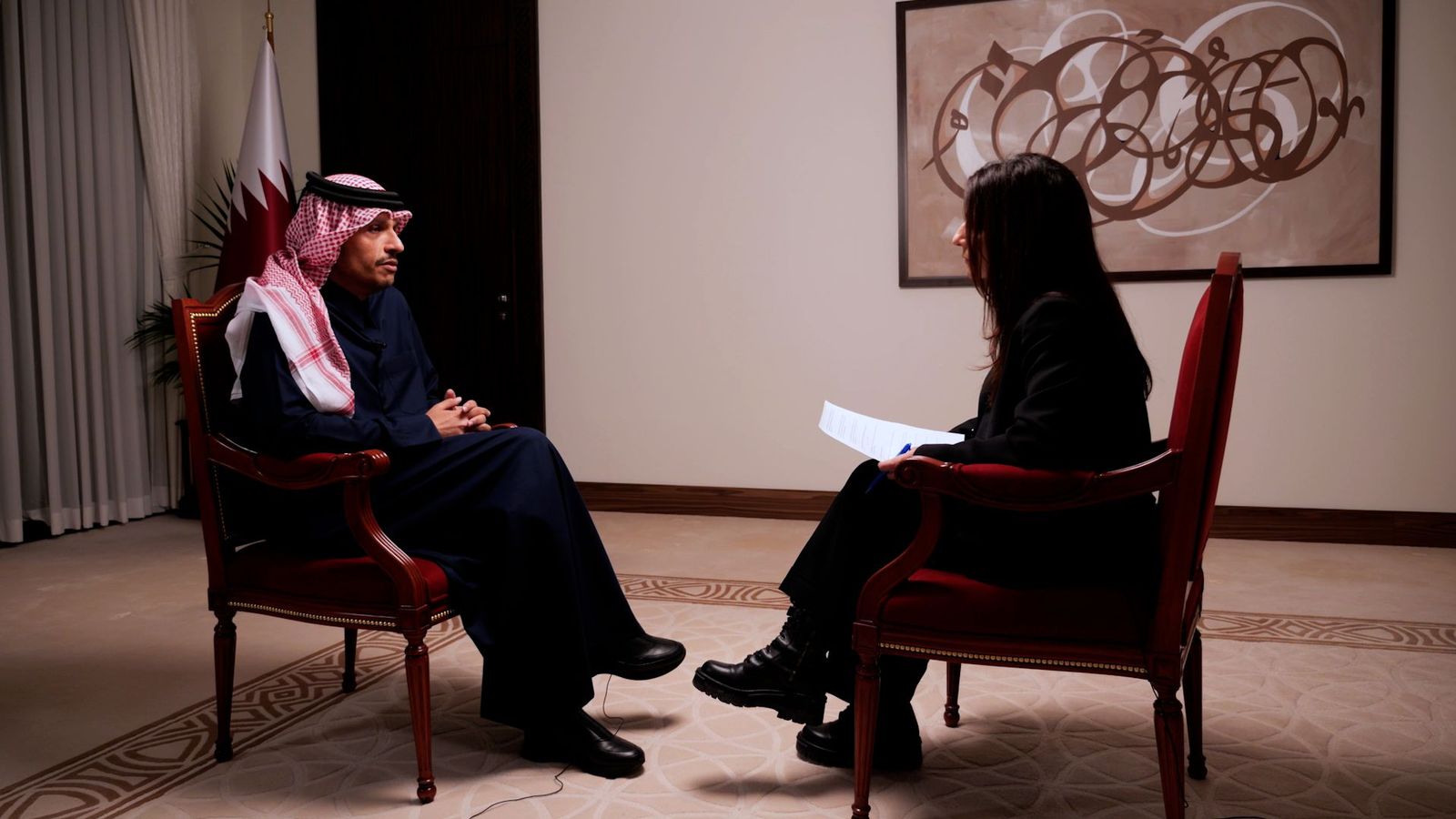
Sheikh Mohammed bin Abdulrahman al Thani, the Emir of Qatar, has described Iran’s strikes on Gulf countries as a “dangerous miscalculation” that risks destabilizing the region and sending shockwaves through the global economy. The comments from the Qatari leader come as tensions between Iran and its regional adversaries have been simmering for months, with each side accusing the other of aggression and provocation.
Regional Instability
The crisis in the Gulf has deep roots, dating back to the 1979 Iranian Revolution, which saw the country’s Shia majority turn against its Sunni-dominated government. Since then, Iran has sought to expand its influence across the region, often using military force to achieve its goals. The United States and other Western powers have been critical of Iran’s behavior, viewing it as a threat to regional stability and global security.
The latest escalation in tensions began in May, when the US Navy intercepted an Iranian oil tanker off the coast of Gibraltar, sparking a diplomatic row between Washington and Tehran. Since then, there have been reports of increased naval activity in the region, with both Iran and its allies accusing each other of aggression.
Global Economic Implications
The crisis in the Gulf has significant implications for the global economy, which relies heavily on oil exports from the region. The Organization of the Petroleum Exporting Countries (OPEC) has warned that a disruption to oil production in the Gulf could lead to price spikes and economic instability worldwide.
Sheikh Mohammed bin Abdulrahman al Thani’s comments also underscore the potential impact of the crisis on global trade and commerce. The Emir acknowledged that the situation risks destabilizing the region and sending shockwaves through the global economy, highlighting the need for urgent diplomatic efforts to resolve the conflict.
Diplomatic Efforts
Despite the gravity of the situation, diplomatic efforts to de-escalate tensions have been slow to materialize. The United States and Iran have engaged in a series of indirect talks, mediated by Oman and other regional powers, but so far, no concrete breakthroughs have emerged.
Related: Learn more about this topic.
Regional leaders are also seeking to reduce tensions through economic means. Qatar has announced plans to invest $20 billion in the region’s infrastructure, including new ports and energy facilities, in an effort to promote stability and cooperation.
Long-Term Consequences
The crisis in the Gulf is likely to have long-term consequences for regional stability and global security. The situation highlights the need for a more sustained diplomatic effort to address the underlying tensions between Iran and its neighbors, as well as the role of external powers in shaping regional dynamics.
As Sheikh Mohammed bin Abdulrahman al Thani noted, “the region needs calm and stability” to avoid further escalation and promote economic growth. With the crisis showing no signs of abating, it remains to be seen how regional leaders will respond to this challenge and what long-term consequences may arise from the current tensions in the Gulf.