



Africa Cup Upendings: A Shocking Turn of Events in the Continent’s Most Prestigious Football Tournament
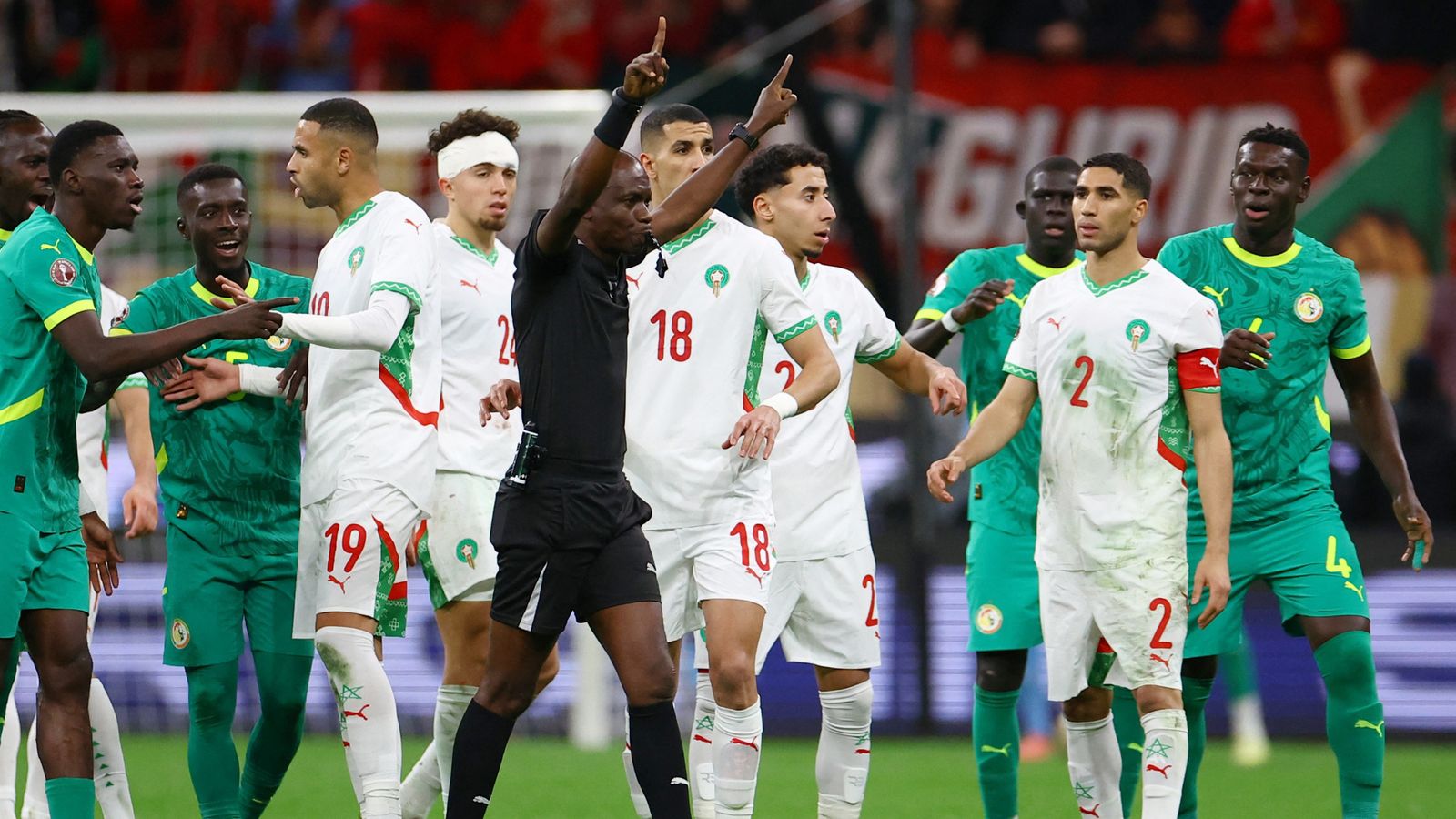
Africa Cup of Nations officials announced on Wednesday that the Senegal national football side has been stripped of their title, citing a breach of critical rules and regulations. The decision marks a shocking turn of events in the continent’s most prestigious football tournament, leaving many fans and players stunned.
The Rules Were Clear
The Africa Cup of Nations is one of the most highly anticipated sporting events on the African calendar, with teams competing for the coveted title every two years. However, it appears that some teams are not willing to follow the rules. According to sources close to the tournament, Senegal’s team was found to have breached critical regulations regarding player eligibility and team composition.
It is understood that a thorough investigation was conducted by the Confederation of African Football (CAF) before the decision was made. The CAF has a strict set of rules in place to ensure fair play and consistency throughout the tournament. However, it seems that some teams are willing to bend or break these rules in order to gain an advantage.
A Growing Concern
This incident is not the first time that the Africa Cup of Nations has been marred by controversy. In recent years, there have been several high-profile cases of match-fixing and player misconduct. While these incidents have had a significant impact on the tournament’s reputation, they have also highlighted the need for greater accountability among teams and players.
As the Africa Cup of Nations continues to grow in popularity and importance, it is essential that measures are taken to prevent future instances of cheating and rule-breaking. The CAF has already announced plans to introduce new regulations and enforcement measures to ensure a cleaner and more competitive tournament.
A Bigger Picture
The stripping of Senegal’s title is not just a matter of individual team conduct; it also raises questions about the broader culture of football in Africa. Is there a lack of integrity among teams and players, or are there systemic issues that need to be addressed?
The answer may lie in the complexities of African football politics and governance. The sport is heavily influenced by local governments and club owners, who often have significant power and influence over team decisions. This can lead to conflicts of interest and a lack of transparency, creating an environment where corruption and cheating can thrive.
However, there are also many positive examples of teams and players in Africa demonstrating high levels of integrity and sportsmanship. The success of teams like the Ghanaian national side, who won the tournament in 2010 with a young and talented squad, is a testament to the potential for excellence on the African continent.
A New Era of Integrity
As the Africa Cup of Nations moves forward, it is essential that measures are taken to promote integrity and fair play throughout the tournament. The CAF has already announced plans to introduce new regulations and enforcement measures, including increased penalties for rule-breaking teams.
Additionally, there are calls from within the football community for greater accountability and transparency. Fans, players, and coaches alike must speak out against cheating and corruption, and demand that those responsible be held accountable.
The future of African football hangs in the balance, but with a renewed commitment to integrity and fair play, it is possible to create a cleaner and more competitive tournament that truly showcases the best of the continent.
The stripping of Senegal’s title serves as a wake-up call for the entire football community in Africa. It highlights the need for greater accountability and transparency, not just within individual teams but also at the national level.
One of the key areas where reform is needed is in the governance structure of African football. The Confederation of African Football (CAF) has faced criticism in recent years for its handling of various issues, including match-fixing and player misconduct. While the CAF has taken steps to address these concerns, more needs to be done to ensure that the sport is governed fairly and transparently.
One potential solution is to introduce a more independent governance structure, where decisions are made by experts rather than politicians or business leaders who may have personal interests at stake. This could involve the establishment of an independent disciplinary body that can take swift action against teams and players who engage in cheating or misconduct.
Another area for reform is in the enforcement of regulations. The CAF has a strict set of rules in place, but these are often poorly enforced or ignored altogether. To address this, the CAF needs to invest in its infrastructure and resources, including increased funding for referees and match officials, as well as improved communication with teams and players.
The impact of reform will not be felt overnight, but it is essential that the football community comes together to demand change. Fans, players, coaches, and even administrators need to speak out against cheating and corruption, and demand that those responsible be held accountable. Related: Learn more about this topic.
The future of African football hangs in the balance, and the decision made by the CAF has sent a clear message: cheating and misconduct will not be tolerated. The question now is what happens next. Will teams and players take steps to reform their conduct and promote fair play? Only time will tell, but one thing is certain – the stakes have been raised, and the consequences of failure will be severe.
As the tournament moves forward, it is essential that the CAF continues to lead by example and demonstrate its commitment to integrity and fair play. This includes increasing transparency in decision-making processes, providing clear guidelines for teams and players, and ensuring that punishments are enforced consistently and fairly.
The Africa Cup of Nations has always been a celebration of African football’s rich talent and spirit, but it has also been marred by controversy and cheating. The stripping of Senegal’s title marks a turning point in the tournament’s history, and it is up to all stakeholders to ensure that the sport continues on a path of integrity and fair play.
In the coming weeks and months, the football community will be watching with bated breath as the CAF implements its new regulations and enforcement measures. Will these changes be enough to restore faith in the tournament? Only time will tell, but one thing is certain – the stakes have been raised, and the consequences of failure will be severe.
The future of African football is bright, but it requires a collective effort from teams, players, coaches, and administrators to promote fair play and integrity. The stripping of Senegal’s title serves as a wake-up call, reminding everyone that the game is about more than just winning trophies – it’s about respecting the sport, its players, and its fans.
As the tournament moves forward, it is essential that the football community comes together to demand change and promote fair play. This includes increased transparency, improved governance, and swift action against cheating and misconduct. The future of African football hangs in the balance, and the decision made by the CAF has sent a clear message: cheating and corruption will not be tolerated.
The Africa Cup of Nations is more than just a tournament – it’s a celebration of African football’s rich talent, spirit, and culture. But to truly showcase the best of the continent, fair play and integrity must come first. The future of African football requires a collective effort from all stakeholders to promote these values, and the stripping of Senegal’s title serves as a wake-up call to get it right.
The road ahead will be long and difficult, but with determination and commitment from the football community, it is possible to create a cleaner and more competitive tournament that truly showcases the best of African football. The future is bright, and the stakes have been raised – let’s see if teams and players can rise to the challenge and promote fair play throughout the continent.