





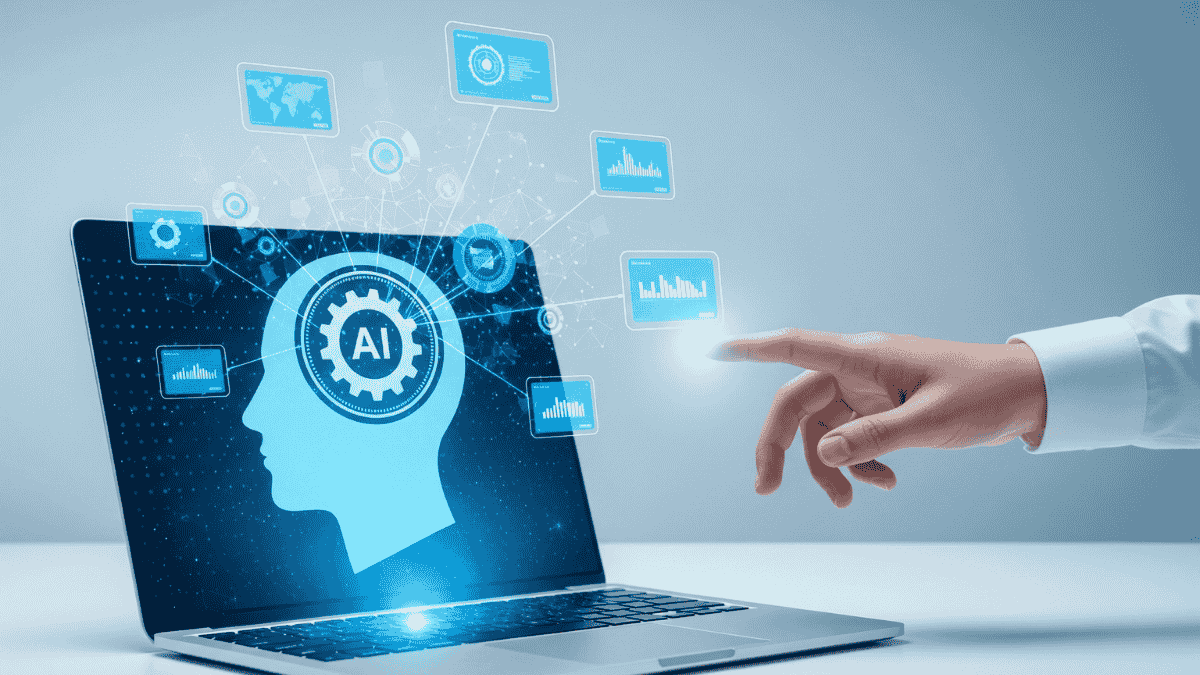
ai in marketing represents a significant development. Artificial Intelligence in Marketing Strategies: A Key to Unlocking Enhanced Results
As the marketing landscape continues to evolve, one technology is gaining significant traction: artificial intelligence. AI in marketing has become an indispensable tool for businesses seeking to stay ahead of the curve and drive tangible results. However, its widespread adoption has also led to a growing reliance on automated content generation, which can sometimes fall short.
The pitfalls of relying solely on AI-generated content are evident in the way it’s often used today. A recent trend has seen individuals typing “write me a LinkedIn post about title insurance” into their AI platform of choice, only to receive a perfectly formatted and well-written piece of content that is promptly cut and pasted into the appropriate place. The result? Engagement is non-existent.
But what’s behind this lackluster approach to marketing? One major issue lies in the overreliance on AI-generated content without proper consideration for its limitations. While AI can produce high-quality, well-written content, it often lacks the nuance and context that human writers bring to the table. This can lead to a disconnect between the brand’s message and the audience’s needs.
Leveraging AI in Marketing: A Double-Edged Sword
On one hand, AI in marketing offers numerous benefits, including increased efficiency, improved content quality, and enhanced personalization. By analyzing vast amounts of data and consumer behavior, AI algorithms can identify patterns and trends that would be difficult for humans to discern on their own.
However, relying too heavily on AI-generated content can lead to a homogenized approach to marketing, where messages are overly simplistic and fail to resonate with audiences. This is particularly true when it comes to social media platforms like LinkedIn, Instagram, or Twitter, where the tone and style of content must be carefully calibrated to match the platform’s unique characteristics.
To get the most out of AI in marketing, businesses must adopt a more nuanced approach that balances automation with human intuition. This means using AI as a tool to augment existing content strategies rather than replacing them entirely.
The Human Touch: Why Emotional Connection Matters
One key area where AI falls short is in capturing the emotional essence of brand messaging. Human writers bring a level of empathy and understanding to their writing that AI algorithms simply cannot replicate. By incorporating more human-centric approaches into marketing campaigns, businesses can create content that truly resonates with audiences.
This might involve using storytelling techniques, incorporating customer testimonials, or even leveraging user-generated content (UGC) to create a sense of authenticity and community. By emphasizing the emotional connection between brand messaging and audience experiences, marketers can build trust and loyalty that AI-generated content alone cannot achieve.
The Future of Marketing: Human-AI Collaboration
As AI in marketing continues to evolve, it’s clear that human writers will remain an indispensable component of successful campaigns. By harnessing the strengths of both humans and machines, businesses can unlock a new level of creativity, efficiency, and impact.
The future of marketing lies not in relying solely on AI-generated content but rather in striking a balance between automation and human intuition. By embracing this blended approach, marketers can create content that truly resonates with audiences and drives meaningful results.
Ultimately, the key to unlocking enhanced results through AI in marketing lies in understanding its limitations and leveraging its strengths in conjunction with human creativity and empathy. By doing so, businesses can unlock a new level of innovation and success in an ever-changing landscape.
The Future of Marketing: Human-AI Collaboration
As the marketing landscape continues to evolve, it’s clear that the partnership between humans and AI will play a vital role in driving future success. By combining the strengths of both worlds, businesses can unlock new levels of creativity, efficiency, and impact.
One key area where human-AI collaboration excels is in the realm of personalization. While AI algorithms can analyze vast amounts of data to identify patterns and trends, humans bring a level of nuance and empathy that allows them to craft messages that resonate with specific audiences. By working together, humans and AI can create personalized content that speaks directly to the needs and desires of individual customers.
Another area where human-AI collaboration shines is in the realm of creative problem-solving. When faced with complex marketing challenges, businesses often turn to AI algorithms to provide insights and suggestions. However, it’s the human touch that brings these ideas to life, allowing marketers to refine and adapt them into effective campaigns.
The Rise of Conversational Marketing
Another exciting area where human-AI collaboration is emerging is in conversational marketing. With the rise of voice assistants and chatbots, businesses are now able to engage with customers in entirely new ways. By combining AI-powered chatbots with human writers, marketers can create personalized conversations that feel more like real-life interactions. Related: Learn more about this topic.
For example, a business might use an AI-powered chatbot to field customer inquiries and provide basic support. However, when a customer reaches out with a complex issue or request for assistance, the business could seamlessly hand off the conversation to a human representative who can provide expert guidance and resolution.
The Power of Human Intuition
While AI algorithms can analyze vast amounts of data, they often lack the intuition and creativity that humans bring to the table. By incorporating more human-centric approaches into marketing campaigns, businesses can create content that truly resonates with audiences.
This might involve using storytelling techniques, incorporating customer testimonials, or even leveraging user-generated content (UGC) to create a sense of authenticity and community. By emphasizing the emotional connection between brand messaging and audience experiences, marketers can build trust and loyalty that AI-generated content alone cannot achieve.
Conclusion
The future of marketing lies not in relying solely on AI-generated content but rather in striking a balance between automation and human intuition. By embracing this blended approach, marketers can create content that truly resonates with audiences and drives meaningful results.
As the marketing landscape continues to evolve, it’s clear that human-AI collaboration will play an increasingly important role in driving success. By harnessing the strengths of both worlds, businesses can unlock new levels of creativity, efficiency, and impact.
The key to unlocking enhanced results through AI in marketing lies in understanding its limitations and leveraging its strengths in conjunction with human creativity and empathy. By doing so, businesses can unlock a new level of innovation and success in an ever-changing landscape.
Ultimately, the partnership between humans and AI will be the driving force behind the future of marketing. As this technology continues to evolve, it’s clear that the most successful businesses will be those that strike the perfect balance between automation and human intuition.