




Title: The Ethics of Mass Surveillance: How Companies like Amazon Are Shaping Our Society
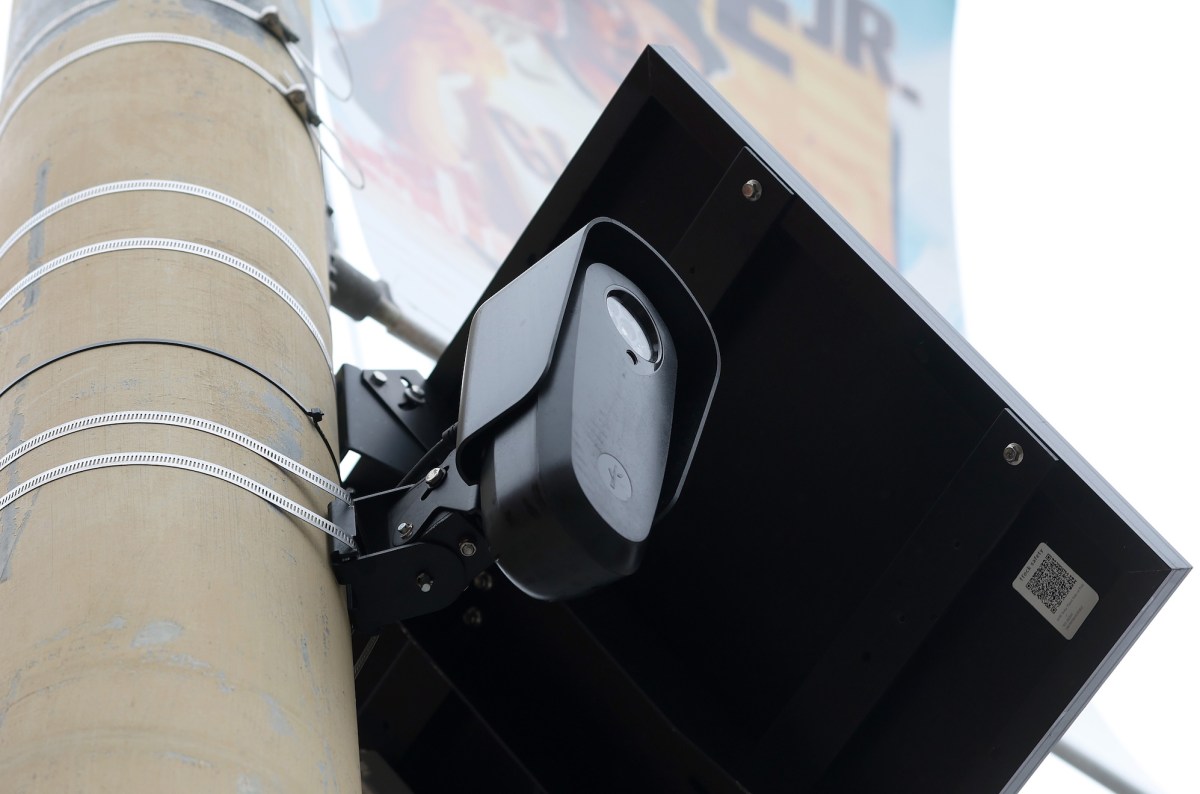
Introduction: In recent years, the use of artificial intelligence and surveillance technology has become a hotly debated topic in our society. While some argue that these technologies can improve public safety and security, others are concerned about their potential for abuse and violation of privacy rights. One example of this is Amazon’s partnership with Flock, a network of AI cameras used by ICE, the FBI, and police forces across the country. This article will explore the ethical concerns surrounding mass surveillance and the role that companies like Amazon play in shaping our society.
Main Points:
1. The Rise of Mass Surveillance Technology
2. Amazon’s Partnership with Flock: A Case Study in Ethics
3. Balancing Public Safety and Privacy Rights
4. What Can We Do to Protect Ourselves?
Body:
The first point to consider is the rise of mass surveillance technology and how it has become so prevalent in our society. With the development of AI and machine learning, these technologies have become more sophisticated and accessible than ever before. While this can be seen as a positive development for law enforcement and public safety, there are also concerns about the potential for abuse and violation of privacy rights.
The second point to consider is Amazon’s partnership with Flock, which allows police forces across the country to access their Ring camera network without user consent or knowledge. This partnership has raised ethical questions about the responsibility of companies like Amazon in ensuring that their products are not being used for unethical purposes. It also raises concerns about the potential for misuse and abuse of these technologies by government agencies.
The third point is about balancing public safety and privacy rights. While surveillance technology can be useful in preventing crime, it’s important to recognize that there are limits to what we should do in the name of safety. In order to strike a balance between security and freedom, it’s essential to have clear guidelines and oversight for the use of these technologies.
Finally, the fourth point is about what we as individuals can do to protect ourselves from mass surveillance. This includes being aware of the types of technology we’re using and how they work, understanding our rights when it comes to privacy and data protection, and taking steps like encrypting our devices and regularly changing passwords to minimize the risk of exposure.
Conclusion:
In conclusion, the issue of mass surveillance is a complex one that raises important ethical concerns about the role of technology in shaping our society. While we cannot stop progress entirely, it’s essential that we take action to ensure that these technologies are being used ethically and responsibly. By staying informed and taking steps to protect ourselves, we can play an active role in shaping the future of surveillance technology and its impact on our lives.
Inspired by: Source