




Iran US Conflict Escalates: A Week of War in the Middle East Understanding iran us conflict is essential.
iran us conflict has entered a new and perilous phase, as the United States and Israel launched a series of strikes on Iranian targets in the past week. The escalation of tensions between the two nations has raised concerns about the potential for a wider conflict in the region, drawing in other countries and threatening global stability.
Escalation by Design: US and Israeli Actions
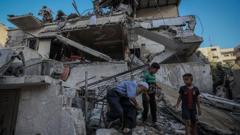
The US and Israeli military actions against Iran have been described as “targeted” strikes, aimed at disrupting Iran’s nuclear program. However, critics argue that these actions were designed to be provocative, aiming to draw a stronger response from the Iranian government. The use of precision-guided munitions and sophisticated cyber warfare tactics has raised questions about the true nature of the attacks.
The US and Israeli governments have maintained that their actions are aimed at preventing Iran from developing a nuclear weapon, a goal that has been repeatedly rejected by Iran’s Supreme Leader, Ayatollah Ali Khamenei. Despite this, the Iranian response has been swift and decisive, with the country’s military launching retaliatory strikes against Israeli and US targets.
A Complex Web of Alliances
The Iran-US conflict is not an isolated event, but rather part of a complex web of alliances and rivalries in the Middle East. The region is home to multiple proxy forces, each backed by one or more major powers. Saudi Arabia, for example, has long been at odds with Iran over issues such as sectarian influence and regional dominance.
The involvement of other countries, including Russia and China, adds another layer of complexity to the conflict. These nations have provided military support to various factions in the region, fueling tensions between them. The involvement of these powers raises questions about the true nature of the US-Israeli actions, with some speculating that they may be aimed at disrupting Iran’s nuclear program for strategic gain.
The Domino Effect: Regional Instability
The escalation of the Iran-US conflict has significant implications for regional stability. The use of force by one country can have a ripple effect, drawing in other nations and escalating tensions. In this case, the Iranian response has already led to clashes between Iranian-backed forces and US-backed allies in Yemen.
As the situation continues to unfold, there are concerns about the potential for further conflict. The region is home to numerous flashpoints, including Syria, Iraq, and Lebanon, all of which have seen significant fighting in recent years. A wider conflict could draw in countries from across the Middle East, leading to a regional war that would have far-reaching consequences.
Related: Learn more about this topic.
The Global Implications
The Iran-US conflict has global implications, extending beyond the region to affect the world economy and international relations. The potential for a wider conflict raises concerns about energy markets, with oil prices already volatile in response to the escalating tensions.
The US and its allies are also concerned about the potential for Iranian-backed groups to launch attacks on Western targets, including military installations and critical infrastructure. This threat is taken seriously by security experts, who warn that it could have catastrophic consequences if left unchecked.
In conclusion, the Iran-US conflict has entered a new phase of escalation, with significant implications for regional stability and global security. As the situation continues to unfold, it remains to be seen how this crisis will be resolved, but one thing is clear: the world is watching with bated breath as the Middle East teeters on the brink of chaos.