




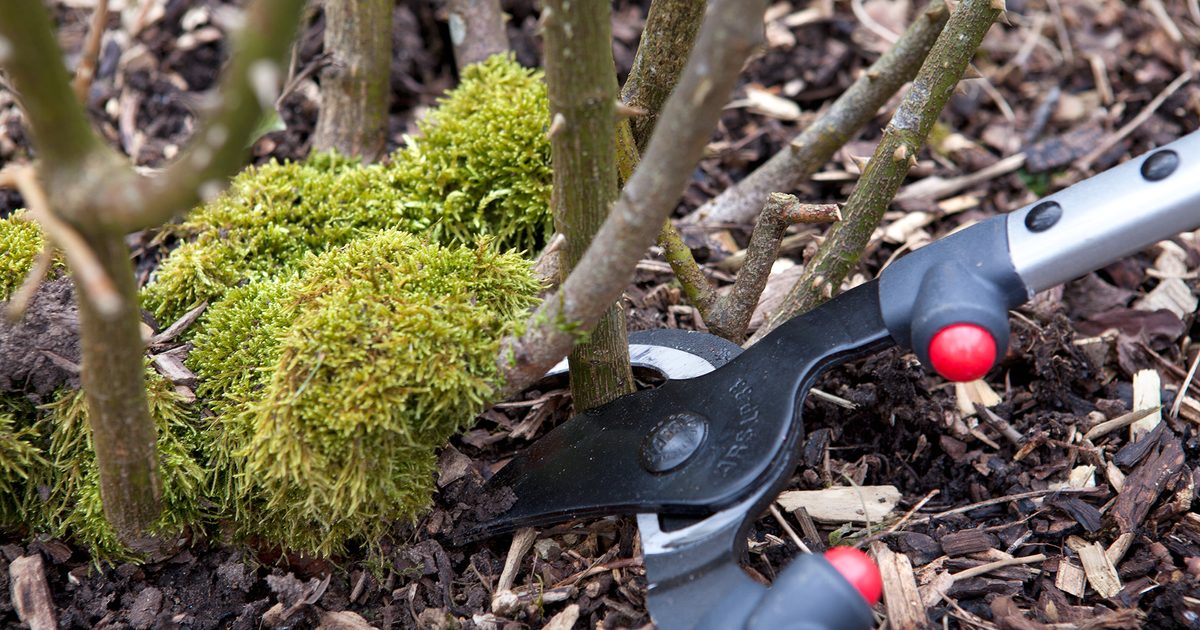
Rose Pruning Tips Are Key to a Vibrant Summer Display
As the last wisps of winter’s chill dissipate, gardeners across the country are gearing up for another growing season. And for many, that means it’s time to turn their attention to one of the most iconic and beloved flowers of all: the rose. But with so many varieties and cultivars to choose from, it can be daunting to know where to start when it comes to caring for these beautiful blooms. One crucial step in the process is pruning – but what are the rose pruning tips that will help you get your garden looking its best come summer?
Timing Is Everything: Understanding the Rose Pruning Window
The first and most critical piece of advice for anyone looking to prune their roses is to understand the concept of a “pruning window.” This refers to the specific period during which it’s safe to prune back your rose bushes, usually in late winter or early spring. The exact timing can vary depending on factors like climate, region, and type of rose, but generally falls between February and April.
Pruning too early or too late can have disastrous consequences for your roses – over-pruning can shock the plant into producing fewer blooms, while under-pruning can lead to leggy growth and reduced flowering. By timing it just right, you’ll be able to encourage healthy growth, promote new blooms, and enjoy a vibrant display of color come summer.
Rose Pruning Tips: The Right Tools for the Job
When it comes to pruning your roses, having the right tools is essential. Here are some key rose pruning tips to keep in mind:
* Use high-quality, sharp gardening shears or loppers to make clean cuts and prevent damage to the plant.
* Cut back canes to about 12-18 inches from the ground, depending on the type of rose you’re growing.
* Remove any dead, diseased, or damaged wood to promote healthy growth and prevent disease spread.
* Make angled cuts at a 45-degree angle, following the natural curve of the stem.
By using the right tools for the job, you’ll be able to prune your roses with confidence and precision, ensuring that your garden looks its best come summer.
Pruning for Shape and Form: Creating a Balanced Rose Garden
One of the most important things to consider when pruning your roses is shape and form. A well-pruned rose bush can make all the difference in creating a beautiful, balanced display. Here are some key tips for shaping your roses:
* Look for any weak or spindly growth and remove it immediately.
* Cut back tall stems to encourage branching and promote new blooms.
* Thin out crowded areas to allow for good air circulation and sunlight penetration.
* Consider the overall shape of your rose bush – do you want a classic, symmetrical look, or something more relaxed and natural?
By taking the time to prune your roses carefully and thoughtfully, you’ll be able to create a beautiful, balanced display that showcases these stunning flowers at their best.
In conclusion, pruning is an essential part of caring for your roses. By timing it just right, using the right tools, and considering shape and form, you can encourage healthy growth, promote new blooms, and enjoy a vibrant display of color come summer. Don’t miss your rose pruning window – take action now to get your garden looking its best all season long!
As the seasons change and spring arrives, many gardeners find themselves eager to get back into their gardens and tackle the task of pruning their roses. With the right techniques and knowledge, you can help promote healthy growth, encourage new blooms, and enjoy a vibrant display of color come summer.
One key aspect of rose care that is often overlooked is the importance of deadheading. Deadheading involves removing spent flowers from your rose bushes to encourage the plant to produce more blooms. This process typically occurs in late spring and early summer, but it’s essential to start pruning your roses back in the winter or early spring to allow them time to grow new canes.
Another crucial aspect of rose care is mulching around the base of your plants. Mulch helps retain moisture, suppress weeds, and regulate soil temperature, all of which are essential for healthy rose growth. When choosing a mulch, look for organic options like wood chips or straw that break down quickly and won’t harm your roses. Related: Learn more about this topic.
In addition to pruning and deadheading, there are several other tasks you can perform on your roses throughout the growing season. One popular technique is rose training – this involves using stakes, twine, or clips to support and shape your roses into a desired form. This technique is especially useful for tall, vigorous varieties that need extra support.
Another technique used by gardeners is pinching – this involves removing lower leaves from newly planted roses to help control their size and promote bushy growth. Pinching can be particularly effective on climbing roses, which require careful pruning to maintain a balanced appearance.
When it comes to rose care, there are also several common mistakes to avoid. One of the most significant errors is over-pruning – this can shock your roses into producing fewer blooms and weaken the plant overall. Another mistake is not removing dead, diseased, or damaged wood, which can lead to disease spread and other problems.
By avoiding these mistakes and following proper rose pruning techniques, you can enjoy a healthy, thriving garden full of beautiful blooms come summer. Remember, regular maintenance and attention are key to keeping your roses looking their best – so don’t hesitate to get out there and prune those roses!
In terms of the actual process of pruning, it’s essential to remember that different types of roses require slightly different techniques. For example, hybrid tea and grandiflora varieties tend to be more robust and can handle heavy pruning, while climbing and rambling roses may need more delicate care.
For most gardeners, a good starting point is to prune back the oldest canes of their rose bushes by about one-third or half. This will help promote new growth and encourage the plant to produce more blooms. From there, you can focus on shaping your roses into a desired form – whether that’s a classic, symmetrical look or something more relaxed and natural.
As with any gardening task, patience is essential when it comes to rose pruning. Take your time, work methodically, and don’t be afraid to ask for help if you’re unsure about anything. With a little practice and attention, you’ll be able to prune your roses like a pro – and enjoy the beautiful blooms that follow.
In conclusion, pruning is an essential part of caring for your roses. By timing it just right, using the right tools, and considering shape and form, you can encourage healthy growth, promote new blooms, and enjoy a vibrant display of color come summer. With the right techniques and knowledge, you’ll be well on your way to creating a stunning rose garden that will bring joy and beauty to your life all season long.