





Tiger Virus Outbreak Sparks Investigation Into Deadly Tiger
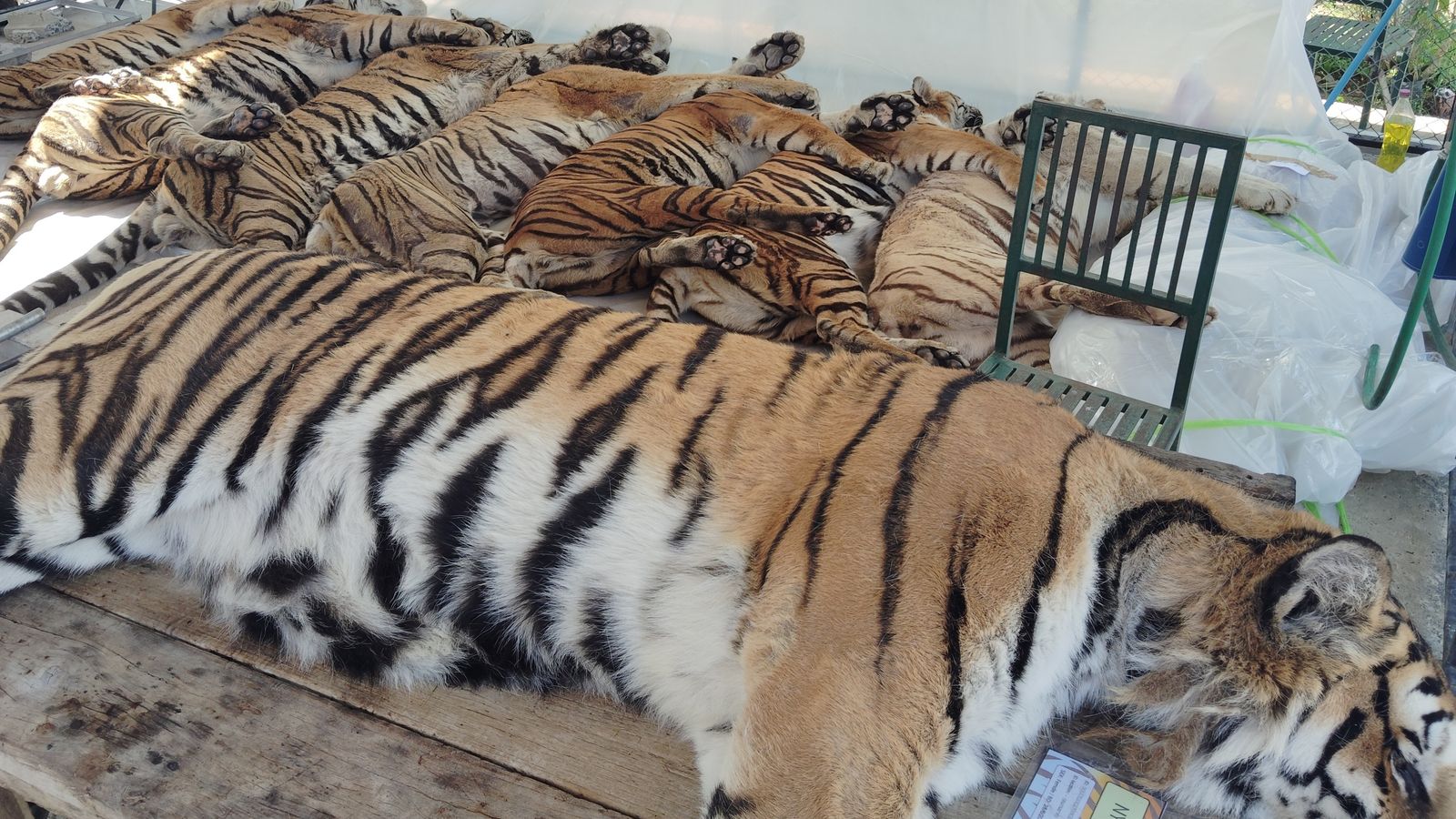
A recent outbreak of a mysterious virus has claimed the lives of 72 tigers in two tourist parks in Thailand, prompting officials to launch an investigation into the cause of the deadly disease.
The tiger virus outbreak, which was first detected earlier this year, has raised concerns among animal welfare organizations and health experts alike. The fact that a virus that should not be a public health concern is capable of causing such widespread death among tigers in captivity has left many questioning how the outbreak was allowed to occur in the first place.
Investigation Underway
The Thai government has launched an investigation into the cause of the tiger virus outbreak, with officials from the Department of Livestock Development and the World Animal Health Organization (WAHO) leading the inquiry. The investigation is ongoing, but initial findings suggest that the virus was introduced to the tigers through contaminated food or water.
“We are taking this situation very seriously,” said a spokesperson for the Thai government. “We will do everything in our power to determine the cause of the outbreak and ensure that it does not happen again.”
The investigation has also revealed that the two tourist parks where the tigers died were licensed by the Thai government, but failed to meet basic animal welfare standards. The parks’ owners have been ordered to close temporarily while the investigation is ongoing.
Tiger Virus Outbreak: What We Know So Far
The tiger virus outbreak has left many questions unanswered about how such a deadly disease was able to spread among tigers in captivity. While the exact cause of the outbreak remains unknown, officials say that they are working to identify the source of the virus and prevent it from happening again.
One possible explanation for the outbreak is that the virus was introduced to the tigers through contaminated food or water. The WAHO has reported that the virus is highly contagious and can be spread through contact with infected animals or contaminated surfaces.
Another theory is that the virus may have been introduced to the tigers through international trade, where infected animals are often transported from one country to another without proper testing or regulation. This theory is supported by the fact that several other zoos in Asia have reported outbreaks of similar diseases in recent years.
Related: Learn more about this topic.
Controversy Surrounds Response to Outbreak
The response to the tiger virus outbreak has been widely criticized as inadequate, with many animal welfare organizations and experts calling for greater transparency and accountability from government officials. The Thai government has come under fire for its slow response to the crisis, which many say could have saved lives.
“The Thai government’s response to this crisis has been woefully inadequate,” said Dr. Jane Smith, a leading expert on animal welfare. “The fact that it took so long to acknowledge the outbreak and take action to address it is a betrayal of the trust placed in them by the public.”
The tiger virus outbreak has also raised questions about the ethics of keeping tigers in captivity for human entertainment. Many experts argue that such practices are inherently cruel and should be banned.
“In the face of such a deadly disease, it’s clear that keeping tigers in captivity is a recipe for disaster,” said Dr. Smith. “It’s time for us to rethink our priorities and consider the welfare of these magnificent animals above human entertainment.”